CS 1.6 Map Strategies – Tips and Tactics for Every Map
Discover CS 1.6 map strategies with practical tips for bombsite control, enemy positioning, smart rotations, grenade usage, and team tactics on popular Counter-Strike 1.6 maps.
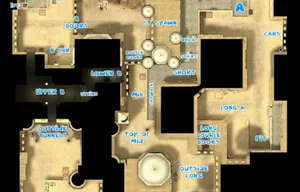
de_dust2 Map Strategy: Control Key Areas
Winning on Dust2 requires strong positioning, good communication, and coordinated control of important routes.
1. Terrorist Side:
- Secure Long A with coordinated support before pushing the bombsite.
- Use B Tunnels to prepare fast attacks or pressure the B defense.
- Combine Mid control with a coordinated split toward B when the defense is stretched.
- Use Catwalk to pressure Short A and create opportunities for your teammates.
2. Counter-Terrorist Side:
- Defend Long A with positions that allow teammates to support one another.
- Protect B site entrances and communicate enemy numbers early.
- Contest Mid when you have suitable utility and backup.
- Rotate between A and B based on reliable information rather than guessing.
de_inferno Tactics: Banana and Bombsite Control
Inferno rewards teams that control narrow routes, use grenades effectively, and time their pushes together.
1. Terrorist Side:
- Contest Banana with coordinated flashes and other utility before committing to B.
- Apply pressure around Apartments to create opportunities for an A site attack.
- Use Mid control and well-timed lurks to stretch the opposing defense.
- Avoid rushing into held positions without checking angles and coordinating entry players.
2. Counter-Terrorist Side:
- Build a balanced B site defense and avoid wasting all your utility too early.
- Watch Apartments and common entry routes to gather information about A attacks.
- Use controlled Mid aggression when teammates can cover vulnerable positions.
- Communicate rotations early so both bombsites remain properly defended.
de_nuke Strategies: Outside and Indoor Positions
Nuke has multiple levels and connected routes, making information sharing and rotation timing especially important.
1. Terrorist Side:
- Take Outside control carefully and use cover to reduce exposure to defenders.
- Pressure Ramp to force defensive rotations before choosing your final attack.
- Use Secret access to approach the Lower site when the route is available.
- Coordinate Upper site attacks through Hut and other available entry routes.
2. Counter-Terrorist Side:
- Maintain communication between Upper site defenders and teammates covering other routes.
- Protect Lower site entrances and watch for opponents moving through Secret.
- Contest Outside when you have sufficient cover and information.
- Rotate carefully between levels and avoid leaving a key route unprotected.
de_train Tactics: Manage Inner and Outer Areas
Train features long sightlines, train-car cover, and narrow approaches. Use positioning and coordinated utility to control these areas.
1. Terrorist Side:
- Establish Outer control before committing to an attack through exposed lanes.
- Pressure Inner site entrances with coordinated movement and flashes.
- Check Alley and other approach routes to avoid predictable pushes.
- Execute bombsite attacks together instead of entering from separate directions without support.
2. Counter-Terrorist Side:
- Set up complementary defensive positions around Inner site.
- Monitor Outer approaches and communicate enemy movement across the map.
- Use crossfire positions to challenge attackers advancing through narrow lanes.
- Retake together after gathering information about enemy positions and remaining utility.
Essential CS 1.6 Map Strategy Tips
Use these core tactics to make better decisions across different Counter-Strike 1.6 maps and game situations.
1. Plan economy rounds with your team so players can coordinate weapon and equipment purchases.
2. Use smoke grenades, flashbangs, and HE grenades to support a specific push or defensive plan.
3. Gather information through sound cues, careful peeking, and observed enemy movement.
4. Learn rotation routes and timings so you can assist teammates without abandoning important areas.
5. Memorize common positions, angles, chokepoints, and useful map callouts.
6. Support teammates and trade kills instead of taking unnecessary isolated fights.
7. Communicate enemy locations, bomb status, and changes in the opponent's strategy clearly.